Skip to main content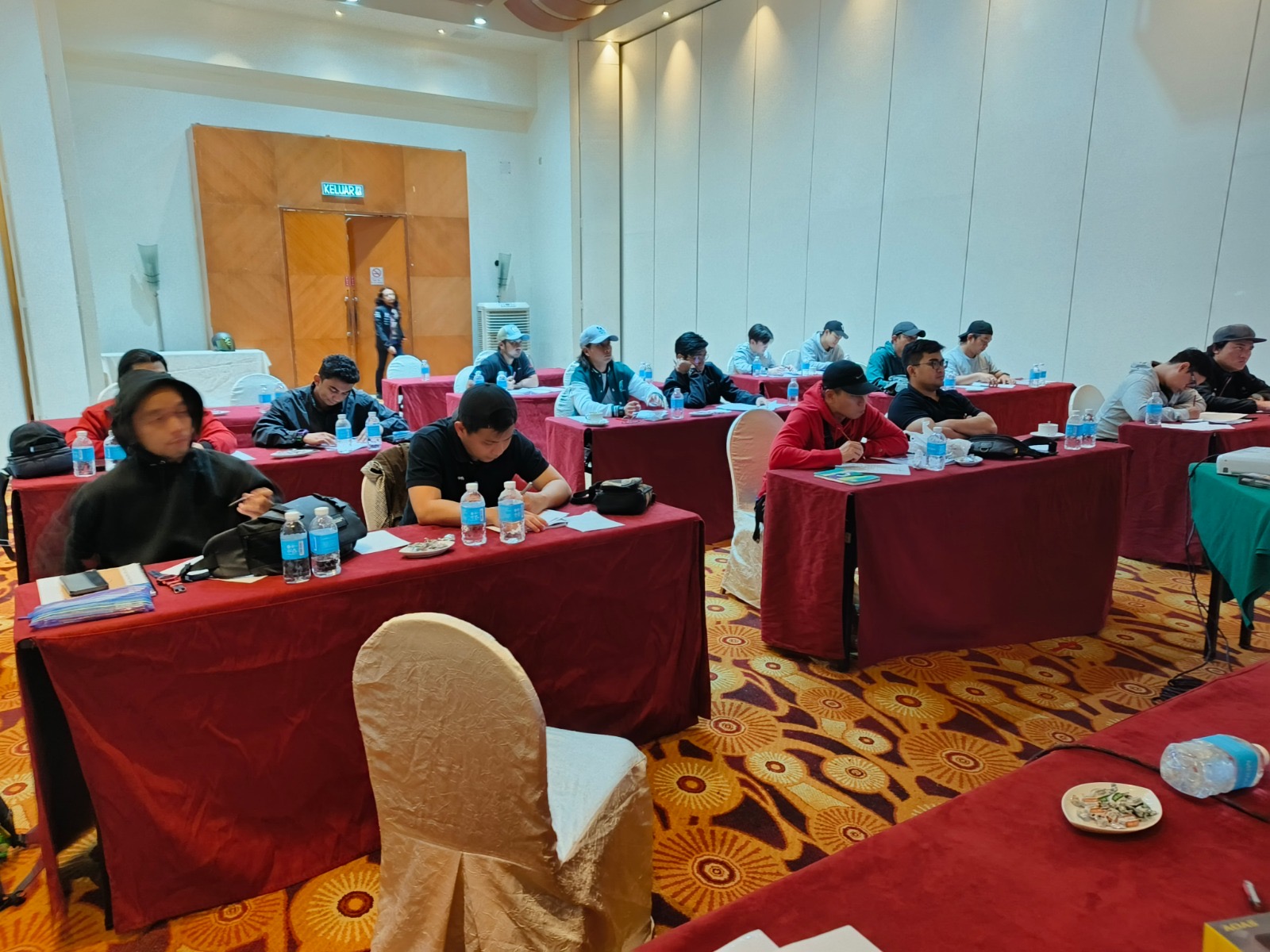
Now Open: Registration for Steam Boiler Engineer Grade 1 & 2 June 2026 Intake
[Click here]
- Berdayatec Training And Consultancy Sdn Bhd
- berdayatec@gmail.com
- 016-250 6442

Menu
HOW TO GET A STEAM ENGINEER CERTIFICATE IN MALAYSIA
Are you planning to build a career as a certified steam engineer in Malaysia? The Steam Engineer Certificate, issued by the Department of Occupational Safety and Health (DOSH), is a nationally recognized credential that proves your competency in operating steam boilers safely and effectively. Though the process may seem daunting, with the right guidance and preparation, you can achieve your certification and advance your career.
At Berdayatec, we help aspiring steam engineers through every step—from technical training to exam preparation—based on DOSH standards.
What Is a Steam Engineer Certificate?
A Steam Engineer Certificate is a competency certification required by law for anyone who wishes to operate or supervise steam boilers in Malaysia. The certificate is administered by DOSH, under Malaysia’s OSHA Amendment Act 2022.
This certification ensures operators understand:
- Boiler operations and systems
- Steam safety and regulatory compliance
- Troubleshooting and emergency procedures
- General Eligibility Requirements
Before applying for the exam, applicants must meet several conditions:
- Must be a Malaysian citizen
- Must be medically certified fit by an Occupational Health Doctor (OHD)
- Must have no convictions under Act 514 (Occupational Safety and Health Act)
- Must complete a Steam Boiler Engineer Grade 2 training course from a DOSH-approved training provider (such as Berdayatec)
- Must register for certification within 1 year of passing the exam
Educational and Experience Pathways:
There are two main qualification routes to apply for the Steam Engineer Certificate:
Option 1 – Mechanical Engineering Graduates
- Hold a Bachelor’s Degree in Mechanical Engineering recognized by MQA
- Have 1 year of work experience with steam boiler operations (must be employer-verified)
Option 2 – Other Engineering Graduates
- Hold a Bachelor’s Degree in other engineering fields (recognized by MQA)
- Have 2 years of verified experience operating steam boilers
Step-by-Step: HOW TO GET A STEAM ENGINEER CERTIFICATE IN MALAYSIA
Follow these steps to successfully earn your steam engineer certificate:
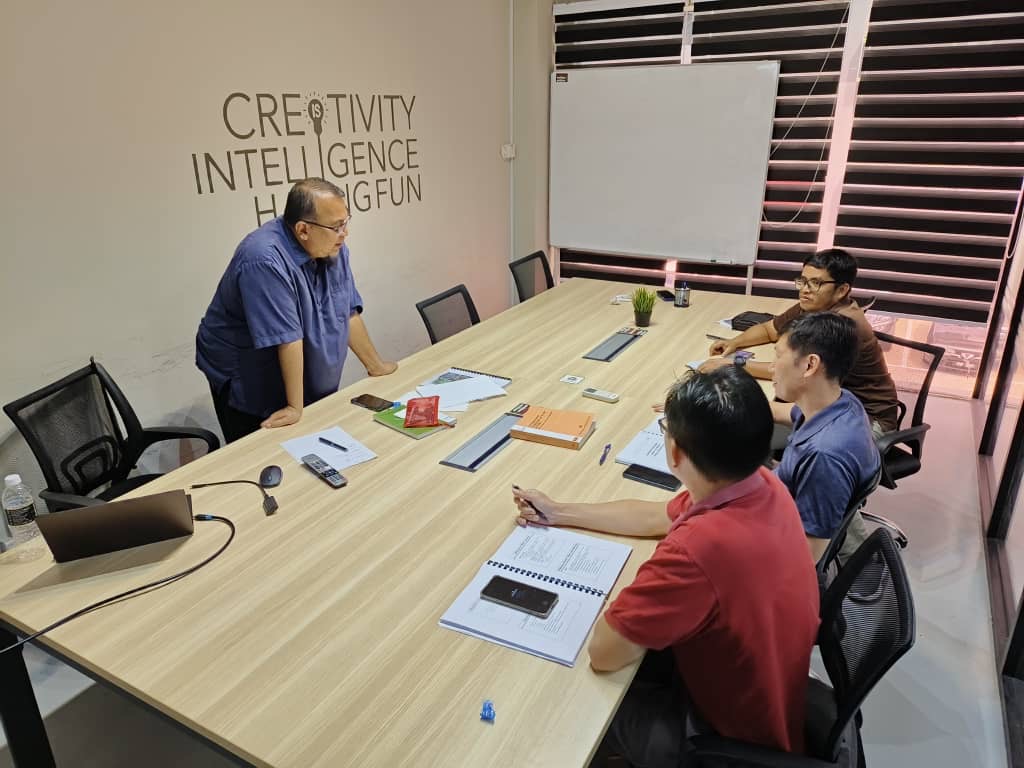
- Enroll in a Recognized Training Program by registering for the Grade 2 Steam Boiler Engineer course at a DOSH-approved center
- Attend and Complete the Training.
- Your experience must be logged and verified by your employer
- Prepare for the DOSH Exam: Study course notes, regulations, and practice questions
- Sit for the Steam Engineer Exam
- Pass and Register: After passing, apply for certification within one year. You’ll then receive your official Steam Engineer Certificate from DOSH
Tips for Exam Success
To increase your chances of passing the exam, follow these proven strategies:
- Review All Course Materials: Focus on safety rules, system operations, and boiler theory
- Practice with Sample Questions: Understand how exam questions are structured
- Know the Laws: Learn relevant regulations under DOSH and the OSHA Amendment Act 2022.
- Join Study Groups: Share notes and insights with fellow candidates
- Stay Calm During the Exam: Manage your time and read questions carefully
Final Thoughts on how to get a steam engineer in malaysia
Becoming a certified steam engineer in Malaysia is a valuable and respected achievement in the engineering field. While the process requires technical knowledge, discipline, and hands-on experience, it is very achievable with the right training and support.
At Berdayatec, we’ve helped countless engineers prepare for and pass the DOSH steam engineer exam through our expert-led programs.
Enroll today and take the first step toward a certified future in steam engineering.

admin
Newsletter
Subscribe to our Newsletter & Event right now to be updated.